


Browse our catalog of research-grade peptides. Each entry includes batch-specific COA, mass spec data, and storage guidance.
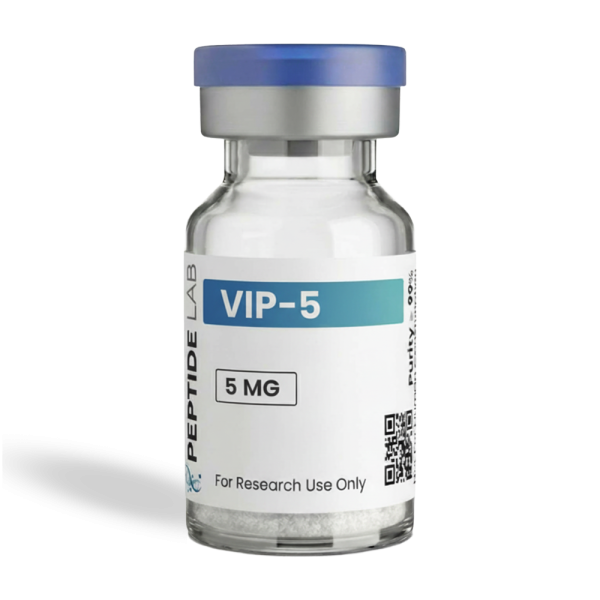
VIP (Vasoactive Intestinal Peptide) at 5mg dosage. Studied for its potent anti-inflammatory signaling through VPAC receptors, with research applications in respiratory, gastrointestinal, and neuroinflammatory disease models.
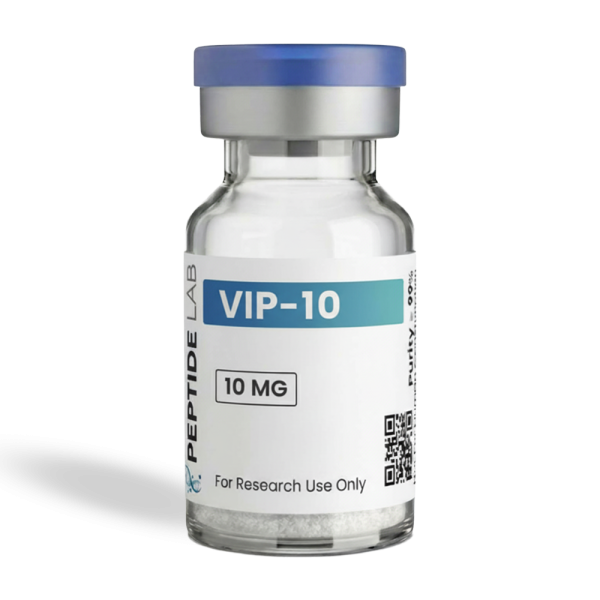
VIP (Vasoactive Intestinal Peptide) at 10mg dosage. A 28-amino acid neuropeptide studied for its anti-inflammatory, immunoregulatory, and vasodilatory properties. Research focuses on its effects via VPAC1/VPAC2 receptors in autoimmune and inflammatory models.
Thymosin Alpha-1 (Tα1) is a 28-amino acid thymic peptide that modulates immune function through activation of dendritic cells and enhancement of T-cell differentiation. Studied for its immunomodulatory effects in infection, vaccination, and immunodeficiency research.

Tesamorelin is a synthetic GHRH analog consisting of the 44 amino acids of human GHRH with a trans-3-hexenoic acid modification. Researched for its ability to stimulate GH secretion and reduce visceral adipose tissue.
TB500 is a synthetic version of Thymosin Beta-4, a 43-amino acid protein involved in cell migration, differentiation, and tissue repair. It up regulates actin and promotes angiogenesis, making it a subject of extensive wound healing and recovery research.
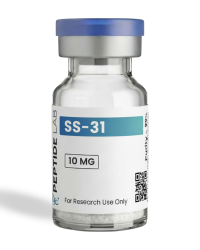
SS-31 (Elamipretide) is a mitochondria-targeting tetrapeptide that concentrates at the inner mitochondrial membrane by binding cardiolipin. Studied for its ability to stabilize electron transport chain complexes and reduce mitochondrial ROS production.
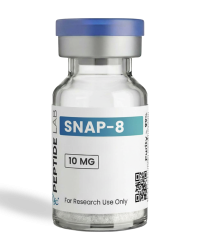
SNAP-8 (Acetyl octapeptide-3) is an anti-wrinkle peptide that mimics the N-terminal end of SNAP-25. It is studied for its ability to modulate SNARE complex formation, reducing neurotransmitter release at the neuromuscular junction to decrease muscle contraction depth.
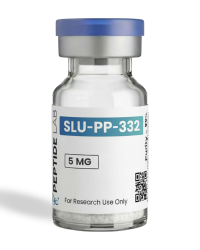
SLU-PP-332 is an ERRα/γ agonist studied as an exercise mimetic. It activates estrogen-related receptor pathways involved in mitochondrial biogenesis, fatty acid oxidation, and oxidative metabolism, reproducing aspects of exercise-induced gene expression.
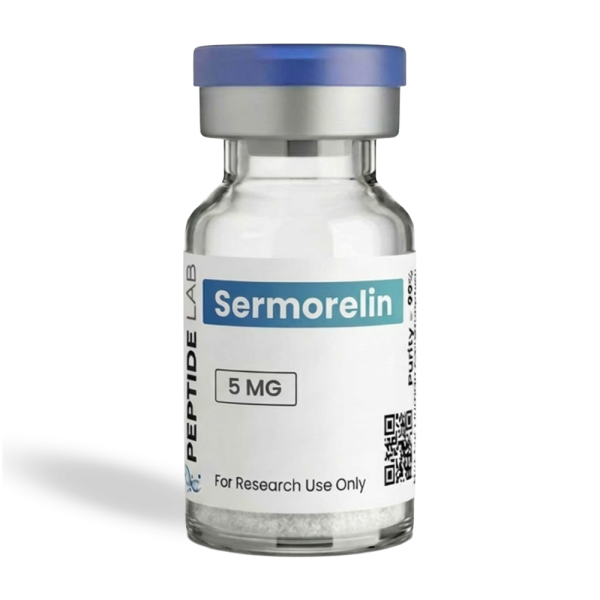
Sermorelin is a synthetic analog of growth hormone-releasing hormone (GHRH 1-29). It stimulates physiological GH release and is studied for its effects on body composition, sleep quality, and age-related GH decline in preclinical models.
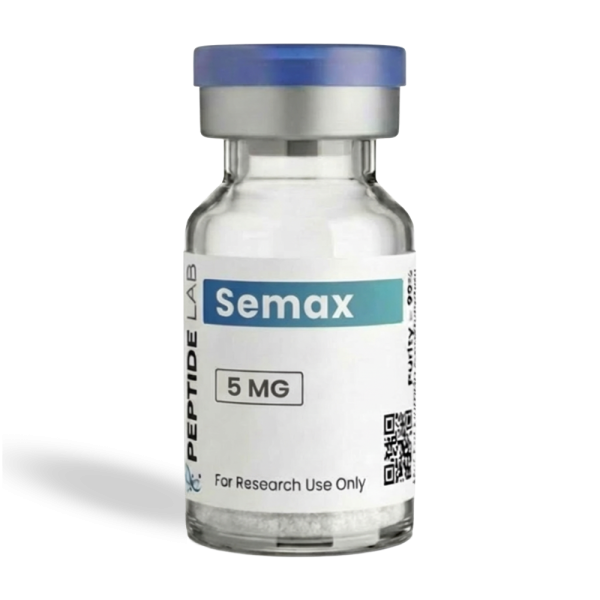
Semax is a synthetic heptapeptide analog of ACTH (4-10) with a Pro-Gly-Pro C-terminal modification. Investigated for its neurotrophic effects, including upregulation of BDNF and NGF, as well as cognitive enhancement in preclinical research models.
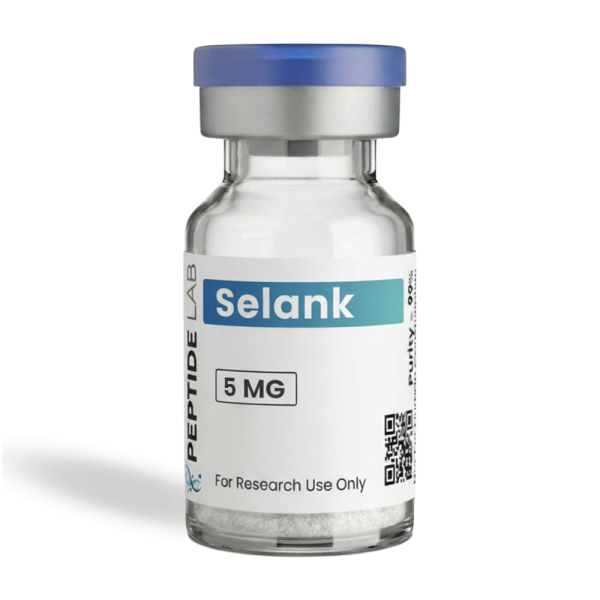
Selank is a synthetic analog of the immunomodulatory peptide tuftsin, with an added Pro-Gly-Pro sequence. Studied for its anxiolytic and nootropic properties, it modulates GABA, serotonin, and dopamine systems as well as BDNF expression.
Retatrutide (LY3437943) is a triple-agonist peptide targeting GLP-1, GIP, and glucagon receptors simultaneously. Studied for its effects on glycemic control, body weight regulation, and hepatic lipid metabolism in metabolic research.
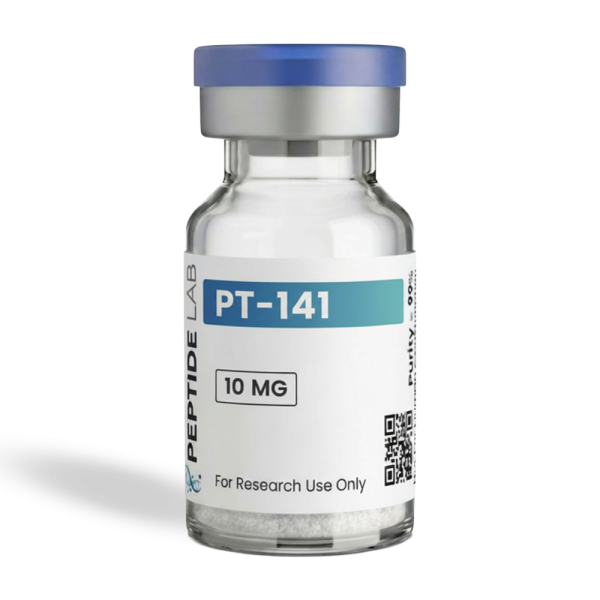
PT-141 (Bremelanotide) is a cyclic heptapeptide melanocortin receptor agonist. Unlike PDE5 inhibitors, it acts centrally via MC3R and MC4R pathways in the CNS. Researched for its effects on sexual arousal signaling in both male and female models.
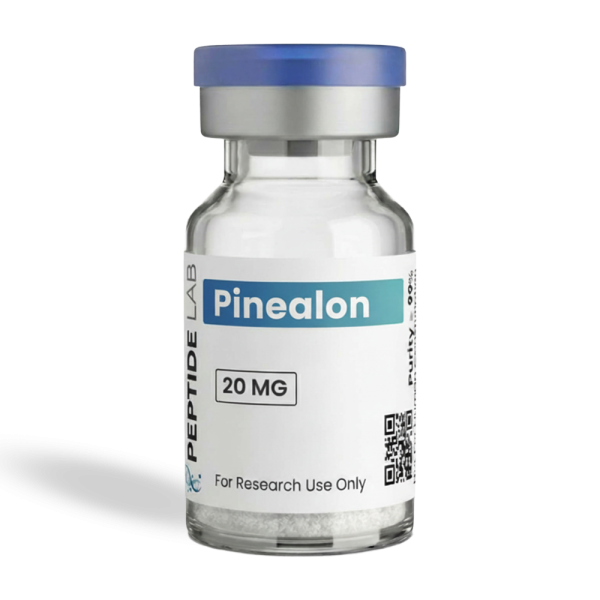
Pinealon (Glu-Asp-Arg) is a synthetic tripeptide bioregulator studied for neuroprotective effects. Research indicates it may modulate gene expression in brain tissue, with particular focus on oxidative stress resistance and neuronal survival pathways.
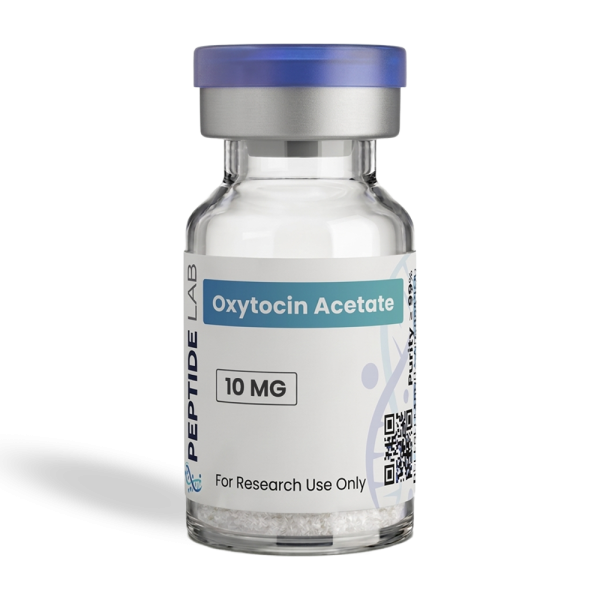
Oxytocin is a nine-amino acid neuropeptide synthesized in the hypothalamus. Studied for its roles in social bonding, stress modulation, and neuroendocrine signaling. Research investigates its effects on prosocial behavior and anxiolytic pathways.
Nicotinamide adenine dinucleotide (NAD+) is a critical coenzyme found in all living cells. It is central to cellular metabolism, DNA repair via sirtuins and PARPs, and mitochondrial function. Research focuses on age-related NAD+ decline and supplementation strategies.
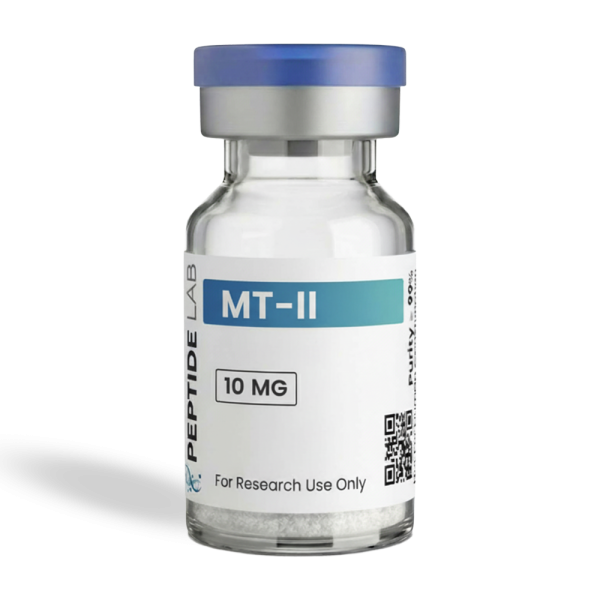
Melanotan II is a synthetic cyclic heptapeptide analog of alpha-melanocyte stimulating hormone (α-MSH). It is studied for its non-selective activation of melanocortin receptors (MC1R–MC5R) and effects on melanogenesis, appetite regulation, and sexual function.

MOTS-c is a mitochondrial-derived peptide encoded within the 12S rRNA gene. It is studied for its role in metabolic homeostasis, AMPK activation, and exercise-mimetic effects. Research indicates potential roles in insulin sensitivity and cellular stress resistance.

LL-37 is the only human cathelicidin antimicrobial peptide, a 37-amino acid peptide derived from the C-terminus of hCAP18. Studied for its broad-spectrum antimicrobial activity and immunomodulatory properties including chemotaxis and wound healing.

KPV is a tripeptide (Lys-Pro-Val) derived from alpha-melanocyte stimulating hormone (α-MSH). It is studied for its anti-inflammatory properties, particularly its ability to modulate NF-κB signaling and reduce pro-inflammatory cytokine production.
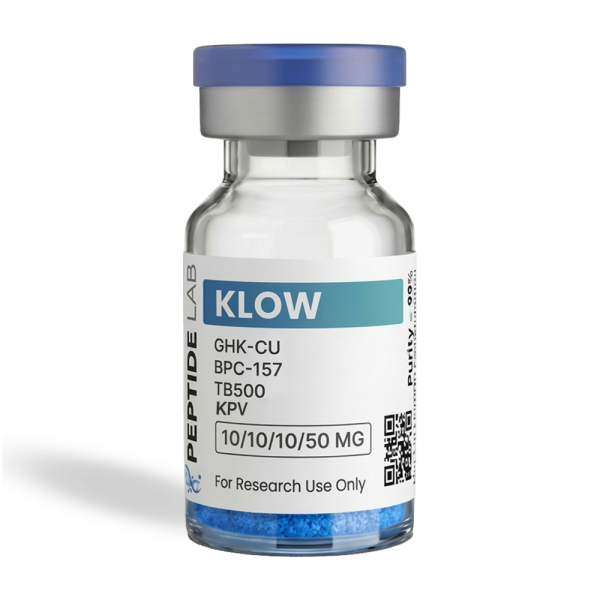
KLOW is a proprietary multi-peptide blend formulated for research into tissue repair, anti-inflammatory signaling, and recovery pathways in preclinical models.
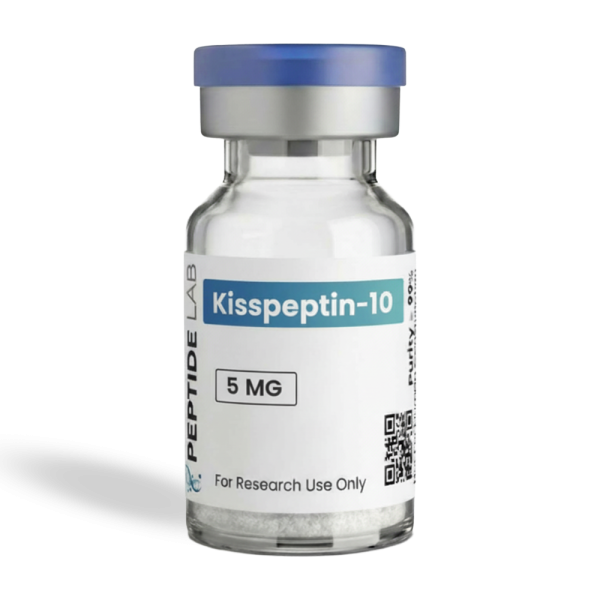
Kisspeptin-10 is a truncated form of kisspeptin that activates the KISS1R receptor, playing a central role in the hypothalamic-pituitary-gonadal axis. Researched for its potent stimulation of GnRH release and downstream gonadotropin secretion.
Ipamorelin is a selective growth hormone secretagogue (GHS) pentapeptide that stimulates GH release from the pituitary gland. It is studied for its high selectivity, producing GH pulses without significant effects on cortisol, prolactin, or ACTH levels.
Human Chorionic Gonadotropin (HCG) is a glycoprotein hormone researched for its LH-mimetic activity. It binds the LH/CG receptor and is studied for effects on gonadal steroidogenesis and Leydig cell function.
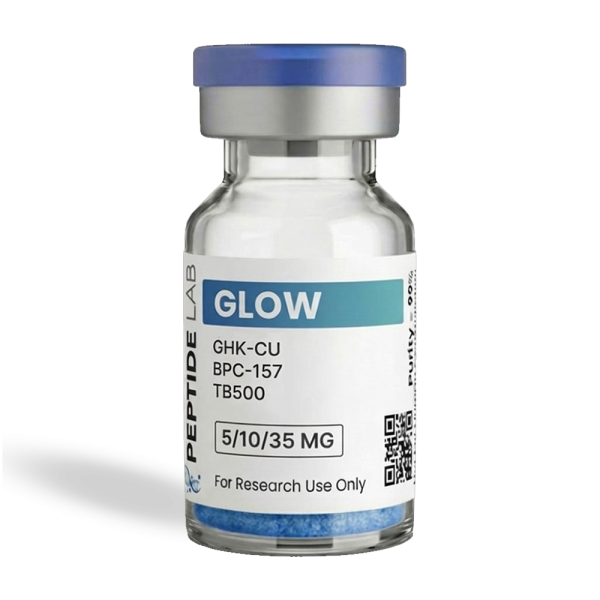
GLOW is a multi-peptide blend containing GHK-Cu 35mg, BPC-157 5mg, and TB500 10mg. Formulated for research into synergistic skin rejuvenation, wound healing, and tissue repair signaling pathways.
GHK-Cu (copper peptide) is a naturally occurring tripeptide-copper complex studied for its roles in wound healing, collagen synthesis, and anti-inflammatory signaling. Research indicates broad gene-regulatory effects including activation of tissue remodeling pathways.
Epithalon (Epitalon) is a synthetic tetrapeptide (Ala-Glu-Asp-Gly) studied for its role in telomerase activation and pineal gland function. Research suggests it may influence telomere length maintenance and melatonin secretion patterns.
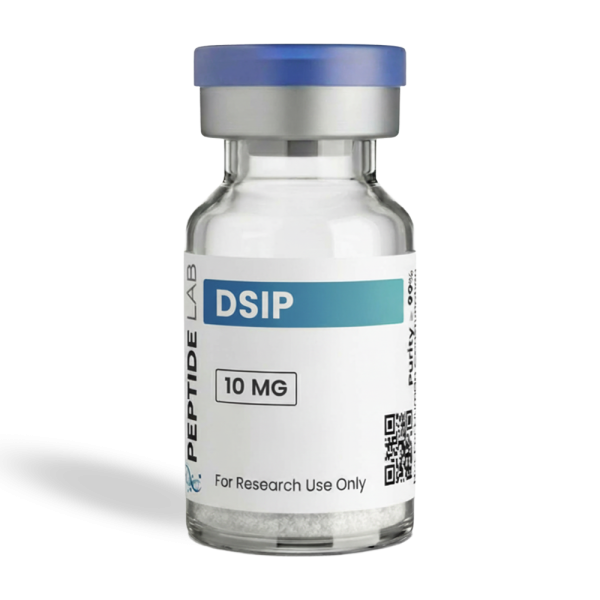
Delta Sleep-Inducing Peptide (DSIP) is a neuropeptide with demonstrated involvement in sleep and neuroendocrine regulation. Research indicates modulation of corticotropic activity, stress responses, and circadian rhythm signaling.
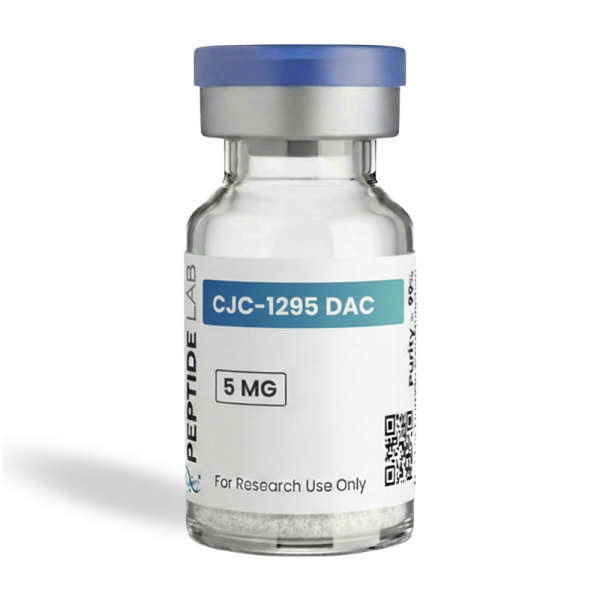
CJC-1295 with Drug Affinity Complex (DAC) is a long-acting GHRH analog. The DAC modification extends its half-life by binding to albumin, enabling sustained GH elevation for research into prolonged growth hormone axis stimulation.
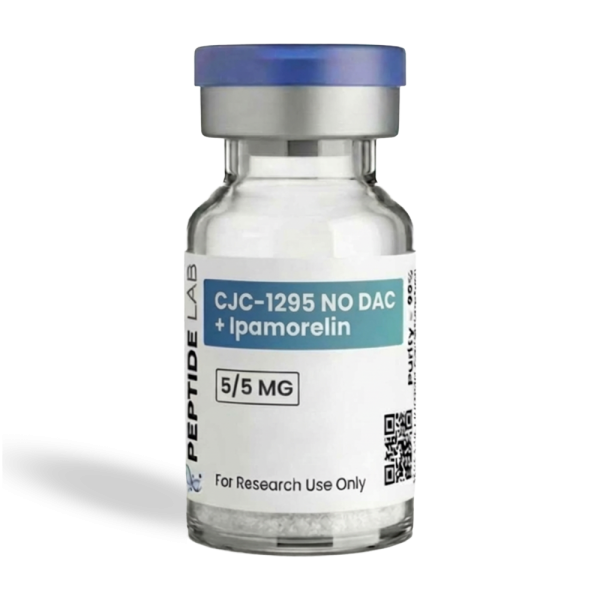
A combination of CJC-1295 (without DAC) and Ipamorelin, blending a GHRH analog with a selective growth hormone secretagogue. This pairing is researched for synergistic GH release with minimal impact on cortisol and prolactin.
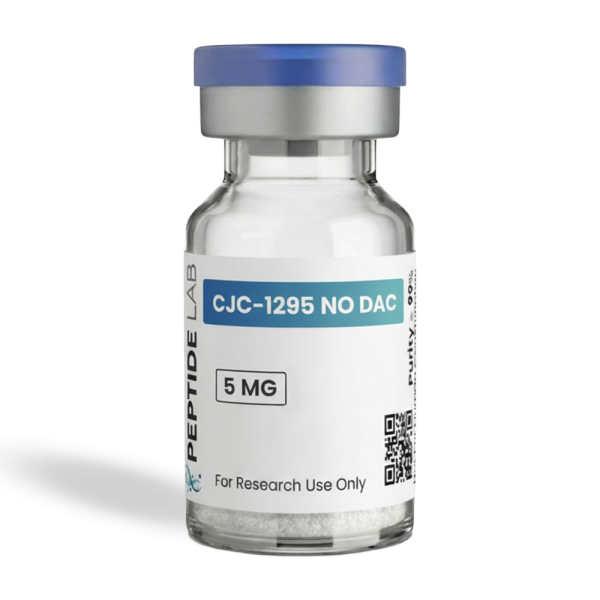
CJC-1295 (without DAC) is a synthetic analog of growth hormone-releasing hormone (GHRH) consisting of 29 amino acids. It stimulates pulsatile growth hormone release from the anterior pituitary, making it valuable for research into GH/IGF-1 axis modulation.
Cerebrolysin is a neuropeptide preparation consisting of low-molecular-weight peptides and free amino acids derived from porcine brain tissue. Studied for its neurotrophic properties, it has been investigated in research models of neurodegeneration and cognitive decline.
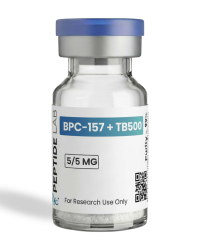
A combination peptide blend of BPC-157 and TB500 (Thymosin Beta-4 Acetate) designed for research into synergistic tissue repair and anti-inflammatory signaling pathways. Both peptides have been individually studied for wound healing and cytoprotective properties.
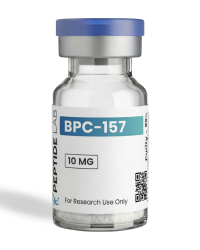
BPC-157 is a 15-amino acid research peptide (Gly-Glu-Pro-Pro-Pro-Gly-Lys-Pro-Ala-Asp-Asp-Ala-Gly-Leu-Val) derived from a body protection compound found in gastric juice. It modulates angiogenic and cytoprotective signaling through effects on nitric oxide pathways, growth factor expression, and extracellular matrix remodeling.
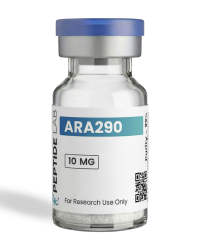
ARA290 (cibinetide) is an 11-amino acid peptide that selectively activates the innate repair receptor (IRR), a heterodimer of the erythropoietin receptor and the IL-3 receptor beta chain. Research indicates it may promote tissue protection and repair without erythropoietic effects.
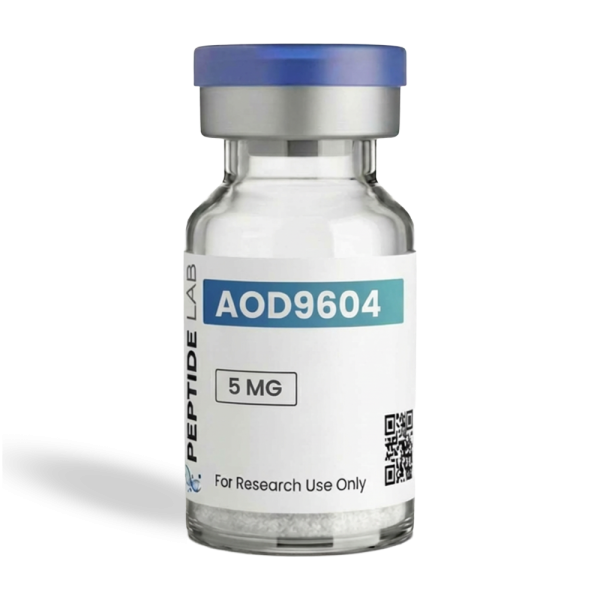
AOD9604 is a modified fragment of human growth hormone (hGH 177-191) investigated for its effects on lipid metabolism. Research suggests it may stimulate lipolysis and inhibit lipogenesis without affecting IGF-1 levels or insulin sensitivity.
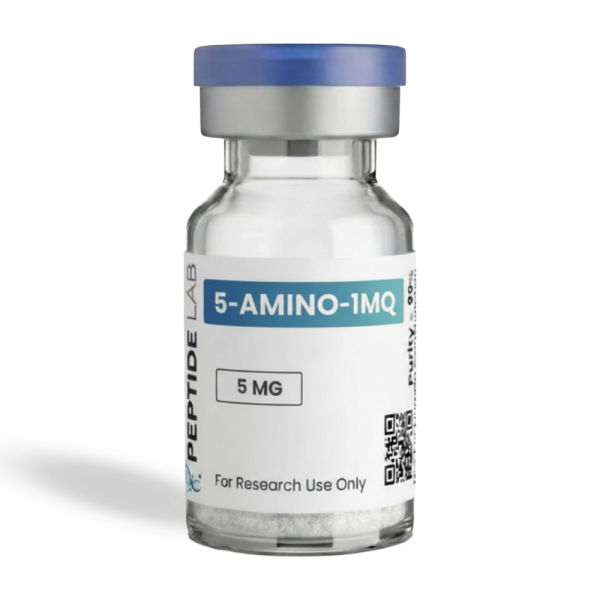
5-AMINO-1MQ is a small-molecule inhibitor of nicotinamide N-methyltransferase (NNMT), an enzyme implicated in adiposity and metabolic dysfunction. By blocking NNMT activity, this compound modulates NAD+ salvage pathways and cellular energy metabolism in preclinical research models.
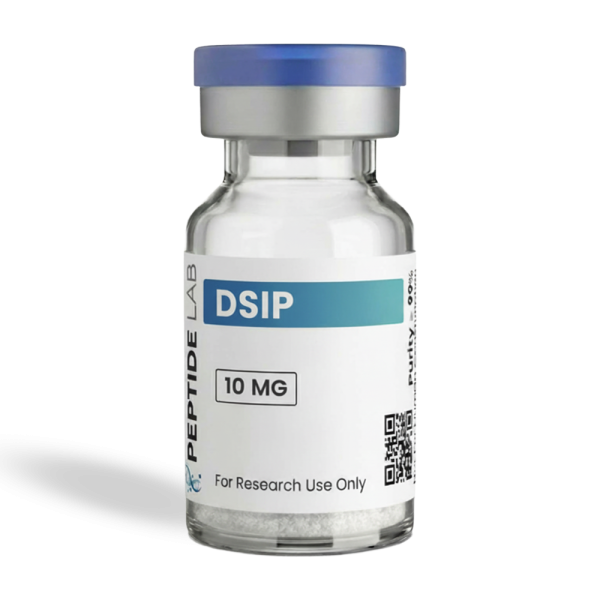
Sleep research peptide. 5mg vial.
Immune support research peptide. 10mg vial.
Anti-aging research peptide. 10mg vial.
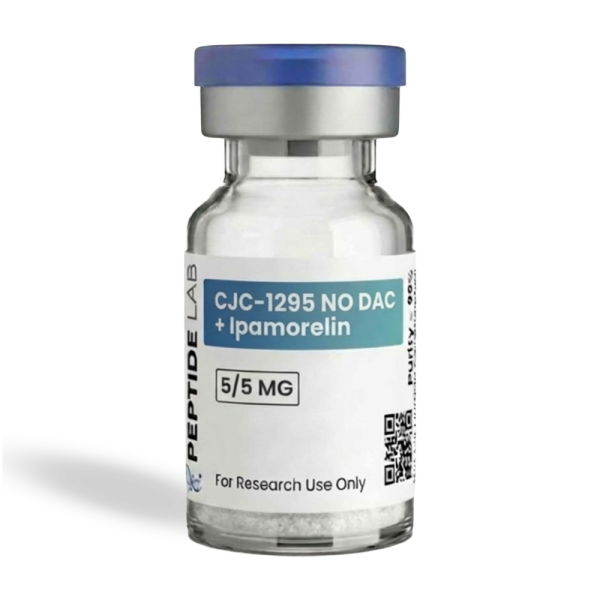
Combined peptide complex for research. 10mg vial.
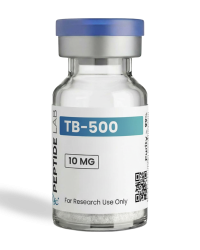
Premium TB-500 research peptide. 2mg vial.
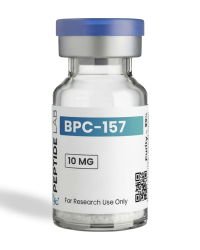
High purity BPC-157 peptide for research purposes. 5mg vial.
Catalog shown for research reference only. Pricing and availability via authorised distributors.